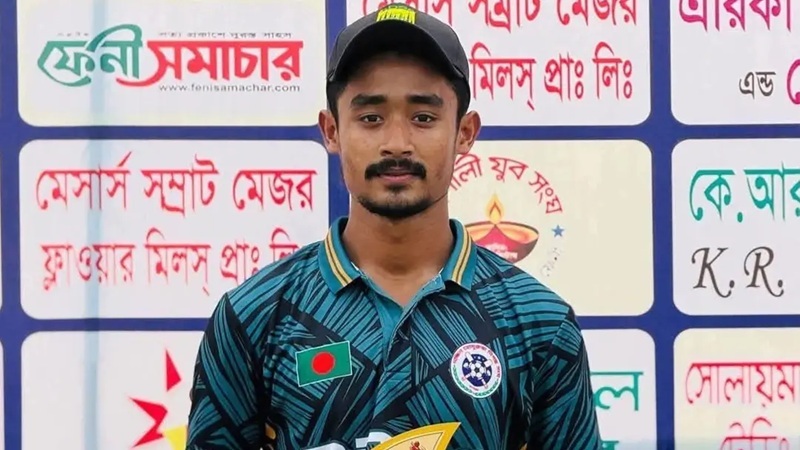
Mehedi Hasan Hriday, a teenage cricketer from Feni in southeastern Bangladesh, has died of blood cancer, according to thenews24.com. The 18-year-old, who represented Chattogram division at under-18 level, passed away on Saturday, 24 October, while being taken to Dhaka for advanced treatment.
Hriday had been under care for acute myeloid leukaemia (AML), a cancer of the blood and bone marrow, for an extended period. Thenews24.com reports that he lost his fight with the disease despite the treatment he received.
Why it matters
Hriday was regarded as a promising young player in his region, and his death has cast a pall over sport in Feni. According to thenews24.com, he had set his sights on representing Bangladesh at national level, an ambition he did not live to pursue.
His death also draws attention to the financial burden that serious illness places on young athletes and their families in Bangladesh, and to the role that sporting bodies and government ministries can play in easing it. In Hriday's case, both the Bangladesh Cricket Board (BCB) and the Ministry of Youth and Sports stepped in to help cover the cost of his care.
A family's only son, and a region's loss
Hriday was the eldest child and only son of Abul Kashem, a resident of Madhuai village in the Baligaon union of Feni Sadar upazila. He leaves a younger sister, according to thenews24.com.
The BCB's district councillor for Feni, Shariful Islam Apu, described the death as a loss that could not be made good for cricket in the district or the country. He said Hriday had been a talented young cricketer whose goal was to play for the national side, and that he was forced to leave before realising that goal. Apu called the death deeply painful.
Thenews24.com reports that the BCB has publicly expressed its grief over the passing of the young pace bowler.
Support that came, but could not save him
The family's worry over Hriday's illness prompted assistance from several quarters. On 2 July, the state minister for youth and sports, Aminul Haq, handed a cheque for five lakh taka to Hriday's father at the BCB office, according to thenews24.com. The cricket board contributed a matching sum, and local sports organisers in Feni also provided money towards his treatment.
Those contributions allowed the family to keep pursuing medical care, but the disease ultimately proved fatal. Hriday died in transit to the capital, where he was being moved in the hope of better treatment.
The coming days are likely to bring further tributes from Bangladesh's cricket community, with attention on how the board and the ministry support young players facing serious illness in future.